



ILSG
Istanbul Laryngology Study Group
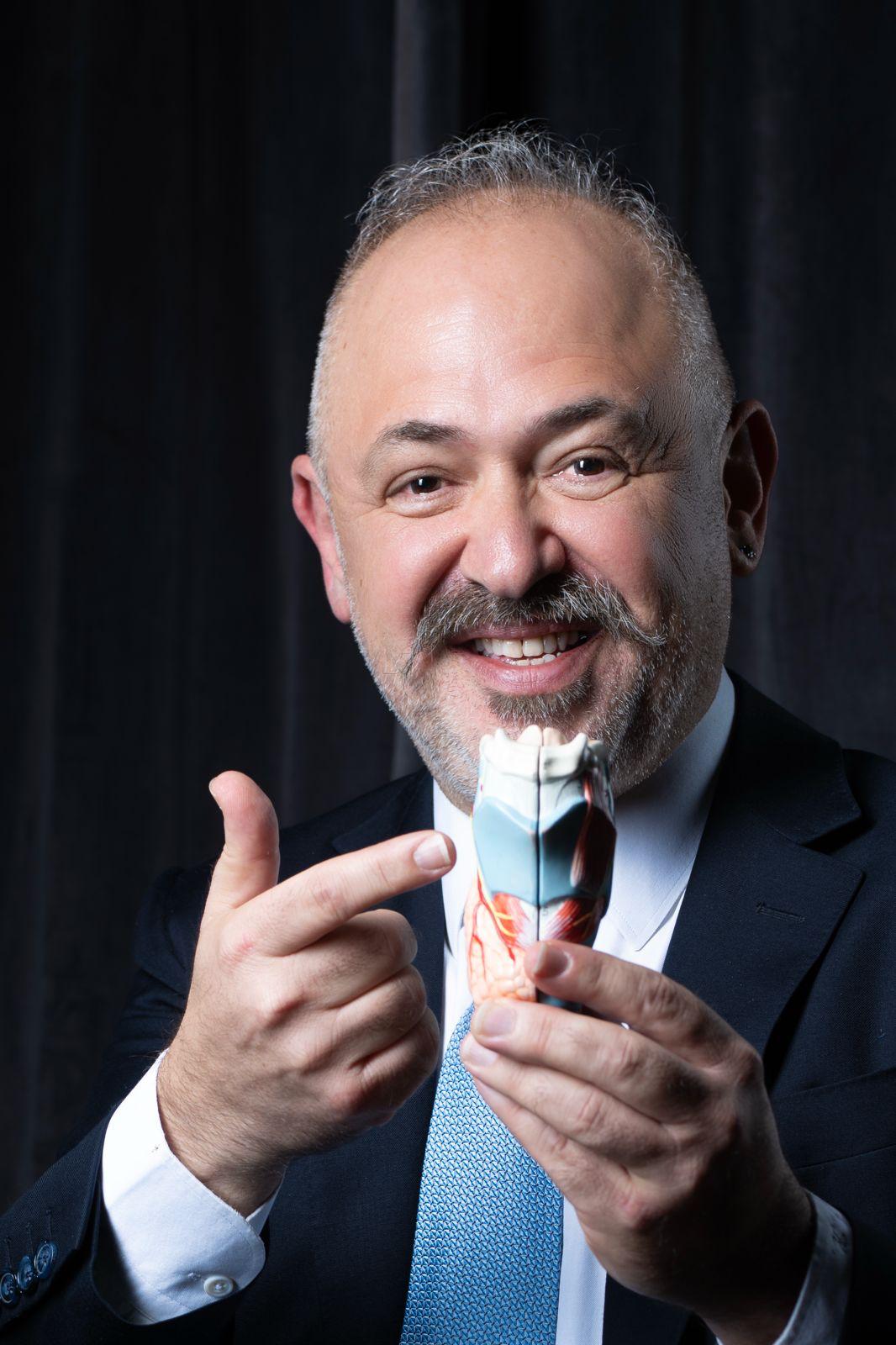
I am Prof. Dr. İsmail Koçak, and on behalf of the Istanbul Laryngology Study Group, I warmly invite you to the Voice Science & Advanced Phonosurgery – 2027 Online Mastercourse Series.
Following the remarkable interest in our previous course and the valuable feedback we received from our participants, we have designed a more comprehensive programme extending throughout the year.
Together, we will explore some of the most challenging areas of contemporary laryngology and voice surgery from videostroboscopy and voice analysis to sulcus vocalis, papillomatosis, puberphonia, laryngeal paralysis, spasmodic dysphonia, and premalignant glottic lesions.
Special sessions will also focus on professional voice care, surgical decision-making, complications, and the evolving possibilities of modern phonosurgery.
Scientific discussions and clinical reasoning will be closely connected with live surgical demonstrations, allowing colleagues from different parts of the world to observe, question, exchange experience, and learn together.
This series is more than a course. It is an international meeting place for those who wish to understand the voice more deeply and contribute to the future of voice care and phonosurgery.
We warmly invite you to join us and become part of this continuing academic journey.
Prof. Dr. İsmail Koçak
On behalf of the Istanbul Laryngology Study Group
ILSG Members
ILSG is a collaborative network of Istanbul-based phonosurgeons working together in research, clinical consultation and patient referral.
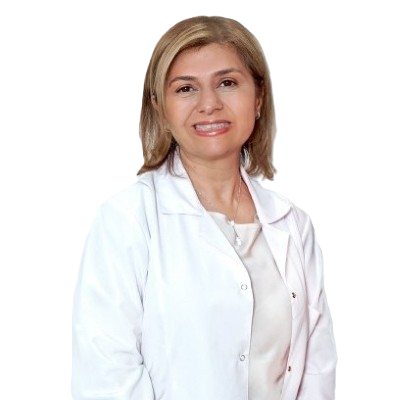
Prof. Dr. Seher Şirin
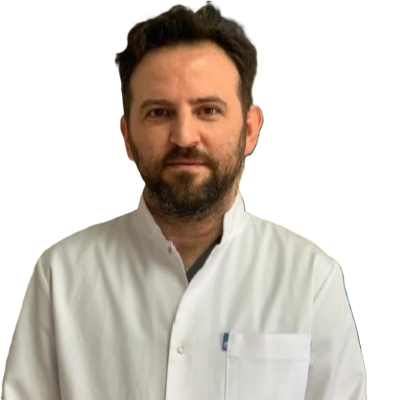
Assoc. Prof. Dr. Volkan Sünter
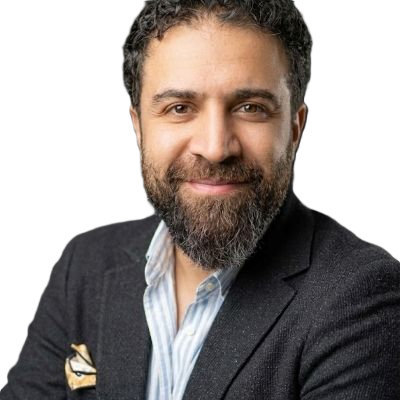
Assoc. Prof. Dr. Necati Enver
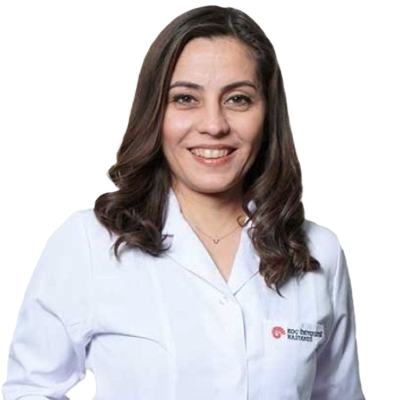
Assoc. Prof. Dr. Özlem Önerci
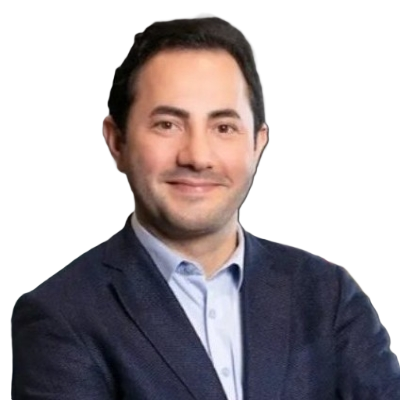
Dr. Elad Azizli
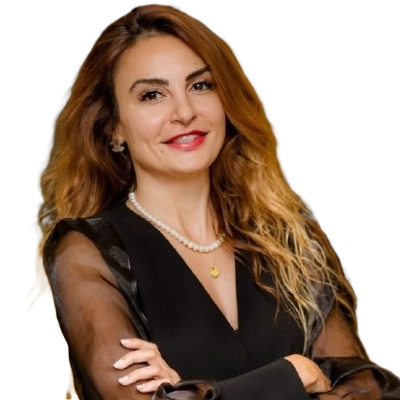
Dr. Özlem Atmış
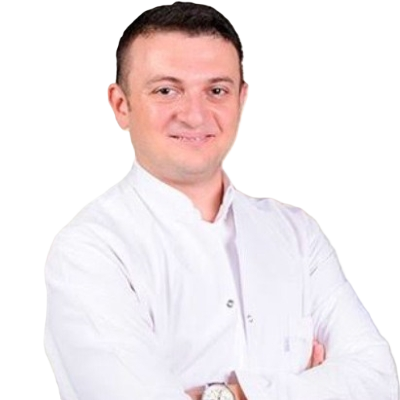
Dr. Okan Övünç
Intro
Science, surgery and performance
Voice Science & Advanced Phonosurgery
2027 Online Mastercourse Series
From seeing the voice to understanding it.
From understanding it to making decisions.
From surgery to performance.
Over the years, one thing has become increasingly clear to us: learning phonosurgery is not simply learning how to operate.
A good operation begins much earlier.
It begins with knowing how to look at a vocal fold, how to interpret its vibration, how to listen to a voice, and how to understand the relationship between what we see, what we hear and what the patient experiences.
And perhaps most importantly, it begins with knowing when not to operate.
This is the philosophy behind the Voice Science & Advanced Phonosurgery 2027 Online Mastercourse Series, developed by the Istanbul Laryngology Study Group.
We wanted to build a programme that follows the voice through its entire clinical and functional journey, from observation and analysis to clinical decision-making, surgery, tissue preservation and, finally, real-life performance.
For this reason, we will not remain in the lecture room.
Throughout the year, we will move between the clinic, operating room, concert backstage, recording studio, Pergamon and finally nature.
Programme Format
The Mastercourse will extend throughout 2027, allowing time between modules for reflection, clinical application and discussion.
Regular theoretical sessions will take place on:
Saturdays, 17:00–20:00 Istanbul Time
Each main theoretical module consists of three hours of interactive online education.
For modules involving surgery, the theoretical masterclass will be followed on the next Saturday by a dedicated three-hour Live Surgery Session.
Whenever possible, we will work with real cases rather than idealised examples.
We will discuss not only what was done, but why it was done, what alternatives existed, what we wanted to preserve and what could have been done differently.
Why this Mastercourse?
We do not want participants to finish this programme with a collection of surgical recipes.
We would rather they leave with better questions.
Above all:
Are we treating a larynx, or are we treating a voice?
By the end of our year together, we hope we will have moved repeatedly between image and sound, structure and function, science and experience, intervention and preservation, operating room and stage, and body and voice.
Because advanced phonosurgery is not defined by how many techniques we know.
It is defined by knowing when, why and for whom we use them.
And after a year of seeing, measuring, discussing, deciding, operating and listening to voice, we will end where voice has always begun:
within a breathing, moving human body.
We begin by seeing the voice.
We end by feeling it in motion.
Istanbul Laryngology Study Group
The Story of 2027

Winter
Understand the voice
The year opens with Voice Essentials, seeing vibration and understanding sound. It closes in the studio, then returns the voice to body, breath, and nature.

Spring
Enter the operating room
Advanced Phonosurgery I moves from disease and decision to live surgery, the moment technique meets clinical judgment.

Summer
Go backstage
Voice leaves the clinic for the stage, concert preparation, on-stage care, emergencies, and the lived rhythm of performance.

Autumn
Think with Galen, return to surgery
September gathers us in Pergamon, where medicine's history meets voice surgery's future. Autumn deepens technique through Advanced Phonosurgery II.
Voice Essentials
The Tools We Need to Understand Voice
Before treating a voice, we need a common language for understanding it.
For us, that language begins with two fundamental tools:
seeing the vibration and understanding the sound.
Advanced Modules
From Science to Clinical Decision and Surgery
Technical ability is essential in phonosurgery.
But technique alone does not make a good voice surgeon.
The more difficult questions usually come before the first incision:
These questions form the backbone of our Advanced Modules.
Professional Voice Care
From clinic to performance
Backstage
3 hoursLive from a summer concert or performance environment.
Performance preparation, on-stage care, emergencies and recovery.
The Backstage session is built around the actual experience of a concert day:
- pre-performance assessment
- preparation
- backstage interventions
- performance
- post-performance recovery
The exact date will be selected according to the real concert schedule of an important artist who can participate.
Studio
3 hoursVoice, microphone, monitoring, recording and performance.
The Flow of the Year
Voice Science & Advanced Phonosurgery
2027
Mastercourse Format
Each theoretical masterclass consists of 3 hours of interactive online teaching.
Format: online, DrVoice Academy
Surgical sessions are live from the operating room in Istanbul.
Real cases.
Real clinical decisions.
Real surgery.
Real performance environments.
Mid-April: Congress break — ELS / UEP
Galen Talks
Decision Making in Voice Surgery
Live from Pergamon, 18 September 2027
Nearly two thousand years ago, Galen explored anatomy, respiration, physiology and the mechanisms of voice.
For one evening, we will leave our conventional teaching environment and return to Pergamon.



Not simply to talk about history, but about something that has always been at the heart of medicine:
How do we make a decision?
Surgical education usually teaches us what can be done. Galen Talks asks a different question:
What should be done?
Galen Talks is about learning how we think.
Online Mastercourse Series 2027 Programme Schedule
Saturdays · 17:00–20:00 Istanbul Time
Global Timeline
Harmonized Across Time Zones
All sessions begin at 17:00 Istanbul Time. Local times below follow daylight saving in each city for the current time of year.
| City | Time Zone | Local Time |
|---|---|---|
| Istanbul | TRT (UTC+3) | 17:00 |
| London | BST (UTC+1) | 15:00 |
| New York | EDT (UTC-4) | 10:00 |
| Mexico City | CST (UTC-6) | 08:00 |
| Dubai | GST (UTC+4) | 18:00 |
| New Delhi | IST (UTC+5:30) | 19:30 |
| Singapore | SGT (UTC+8) | 22:00 |
| Tokyo | JST (UTC+9) | 23:00 |
Voice Essentials
Seeing & measuring the voice
Videostroboscopy 06February2027 17:00–20:00 Istanbul Time
Videostroboscopy
6 February 2027 · 17:00–20:00
Seeing Beyond the Lesion
A vocal fold examination should tell us much more than whether a lesion is present.
A small lesion may create a major vibratory disturbance, while a visually impressive lesion may have surprisingly little functional consequence.
What matters is the relationship between structure and vibration.
We will explore examination technique, image quality, glottic closure, mucosal wave, amplitude, symmetry, periodicity, phase characteristics, edge abnormalities, vertical level differences and compensatory behaviour.
We will examine structural lesions, scars, sulcus, cysts, polyps, Reinke’s oedema, neurological patterns and suspicious glottic lesions.
We will also discuss the limitations of stroboscopy and when other imaging technologies may provide additional information.
What should we take home?
The objective is not simply to become better at recognising lesions.
It is to learn to read vocal fold vibration and understand its relationship with the voice we hear.
Voice Analysis 20February2027 17:00–20:00 Istanbul Time
Voice Analysis
20 February 2027 · 17:00–20:00
From Numbers to Meaning
Today we can measure almost everything about a voice.
That does not necessarily mean that we understand it.
Fundamental frequency, perturbation measures, cepstral parameters, spectra, formants and voice range profiles become useful only when they answer a clinical question.
We will explore acoustic recording standards, F0, intensity, harmonicity, cepstral analysis, spectrography, formants, resonance, voice range profiles, aerodynamic assessment, perceptual evaluation and patient-reported outcomes.
We will also discuss emerging digital and AI-assisted approaches to voice analysis.
But throughout the session we will keep returning to one question:
What does this number actually mean for this voice?
The aim is to move from collecting measurements to interpreting voices.
Advanced Phonosurgery I
Disease · Decision · Surgery
Laryngeal Papillomatosis 06March2027 17:00–20:00 Istanbul Time
Laryngeal Papillomatosis
6 March 2027 · Theory
Disease Control Without Losing the Voice
Papillomatosis represents one of the clearest conflicts between treating disease and preserving function.
The patient may undergo many procedures over a lifetime. Therefore, every intervention has consequences for the interventions that may follow.
We will discuss HPV biology, recurrence patterns, surgical technologies, laser and microdebrider approaches, office-based treatment, anterior commissure management, prevention of scarring and web formation, adjuvant therapies, bevacizumab, vaccination and evolving immunological strategies.
But our central question will remain:
How much can we treat while disturbing the vibratory tissue as little as possible?
The following Saturday we will take these principles into the operating room during a dedicated Live Surgery Session.
Papillomatosis · Live Surgery 13March2027 17:00–20:00 Istanbul Time
Live Surgery
13 March 2027 · Live Surgery
Live from OR · Istanbul
Sulcus Vocalis 27March2027 17:00–20:00 Istanbul Time
Sulcus Vocalis
27 March 2027 · Theory
Understanding the Biomechanics
Sulcus is one of the conditions that has taught us most about phonosurgery.
Because treating what we see is often not enough.
The real problem may lie in altered tissue architecture, reduced pliability, abnormal tension distribution and the compensations that develop around them.
We will examine sulcus phenotypes, histology, differential diagnosis, stroboscopic findings and biomechanical consequences.
We will discuss voice therapy, augmentation, regenerative concepts, epithelial and subepithelial techniques and, importantly, relaxation strategies.
We will also discuss when surgery may create more harm than benefit.
The Live Surgery Session will focus on tissue behaviour, preservation and restoring favourable biomechanics rather than simply correcting an anatomical appearance.
Sulcus Vocalis · Live Surgery 03April2027 17:00–20:00 Istanbul Time
Live Surgery
3 April 2027 · Live Surgery
Live from OR · Istanbul
Puberphonia 24April2027 17:00–20:00 Istanbul Time
Puberphonia
24 April 2027 · 17:00–20:00
When Anatomy and Voice Do Not Tell the Same Story
Puberphonia is fascinating because the larynx may be completely normal.
Yet the voice does not reflect the anatomy.
This makes it an excellent model for understanding that voice is not produced by structure alone.
We will examine pubertal voice change, laryngeal growth, functional mechanisms of persistent high pitch, differential diagnosis, acoustic and endoscopic characteristics, manual diagnostic manoeuvres, therapy and resistant cases.
The key question will be:
If the structure is normal, what is maintaining the voice?
Understanding that distinction prevents unnecessary treatment and often leads to remarkably effective solutions.
Laryngeal Paralysis 08May2027 17:00–20:00 Istanbul Time
Laryngeal Paralysis
8 May 2027 · Theory
More Than Closing a Glottic Gap
Medialising a vocal fold is relatively easy to understand.
Restoring a voice is not.
Position, tension, vertical level, mass, respiratory function, neural recovery and compensatory behaviour all influence the final result.
We will review laryngeal neuroanatomy, recurrent and superior laryngeal nerve dysfunction, diagnostic work-up, natural history and the role of laryngeal EMG.
Treatment discussions will include voice therapy, injection augmentation, framework surgery, arytenoid procedures, reinnervation and combined approaches.
Most importantly, we will discuss timing.
When should we wait?
When should we use a temporary intervention?
When should we proceed to definitive surgery?
The Live Surgery Session will allow us to see how these decisions translate into the operating room.
Paralysis · Live Surgery 15May2027 17:00–20:00 Istanbul Time
Live Surgery
15 May 2027 · Live Surgery
Live from OR · Istanbul
Backstage
Voice meets the stage
Backstage TBD 17:00–20:00 Istanbul Time
Backstage
Summer 2027 · Date according to the performance calendar
When the Clinic Meets the Stage
Professional voices do not live in clinics.
They live on stages, in rehearsals, airports, hotels, buses and dressing rooms.
This session will therefore take place where these voices actually work:
BACKSTAGE.
We will explore pre-performance assessment, vocal readiness, warm-up, hydration, nutrition, allergy and reflux problems, acute symptoms, musculoskeletal factors, emergency interventions, hearing and in-ear monitoring, performance fatigue and post-performance recovery.
And we will face perhaps the most difficult backstage question:
Can this performer safely go on stage tonight?
This will not be a simulation.
Whenever possible, Backstage will be broadcast from a real summer performance environment.
Galen Talks · Pergamon
Where the history of medicine meets the future of voice surgery
Galen Talks 18September2027 17:00–20:00 Istanbul Time
Galen Talks
LIVE FROM PERGAMON · 18 September 2027
Decision Making in Voice Surgery
Nearly two thousand years ago, Galen explored anatomy, respiration, physiology and the mechanisms of voice.
For one evening, we will leave our conventional teaching environment and return to Pergamon.
Not simply to talk about history.
But to talk about something that has always been at the heart of medicine:
How do we make a decision?
Surgical education usually teaches us what can be done.
Galen Talks will ask:
What should be done?
A concise 20-minute Galen Talk will open the evening, followed by free speeches, open discussion and challenging case debates.
We will discuss intervention versus observation, reversibility, tissue preservation, evidence versus experience, professional demands, aesthetic expectations, uncertainty, ethics and risk.
There may not always be a single correct answer.
That is precisely the point.
Galen Talks is about learning how we think.
20 min — Invited Galen Talk
30 min — Free speeches / Open floor
40–60 min — Moderated case debate
Advanced Phonosurgery II
Complex decisions · Complications · Performance
Spasmodic Dysphonia 02October2027 17:00–20:00 Istanbul Time
Spasmodic Dysphonia
2 October 2027 · Theory
When the Problem Is Motor Control
In spasmodic dysphonia, anatomy may again appear normal.
The disorder emerges during function.
We will explore laryngeal dystonia, adductor and abductor patterns, vocal tremor, task-specific examination and differentiation from muscle tension dysphonia and other neurological voice disorders.
Treatment will include botulinum toxin, target selection, dosing, EMG guidance, treatment failures and surgical alternatives.
The following week’s live session will focus on real-time assessment, target selection and procedural decision-making.
Live Procedure / Surgery 09October2027 17:00–20:00 Istanbul Time
Live Procedure / Surgery
9 October 2027 · Live Procedure / Surgery
Live from OR · Istanbul
Voice Protection in Pre-malignant and Early Malignant Glottic Lesions 23October2027 17:00–20:00 Istanbul Time
Voice Protection in Pre-malignant and Early Malignant Glottic Lesions
23 October 2027 · 17:00–20:00
Oncological Safety · Functional Preservation
Cancer treatment must never compromise oncological safety.
But oncological safety and thoughtful voice preservation are not opposing concepts.
We will discuss leukoplakia, dysplasia, vascular patterns, advanced endoscopic imaging, biopsy versus excision, surveillance, transoral laser microsurgery, surgical depth, margins, anterior commissure involvement and early glottic carcinoma.
Particular attention will be given to understanding what tissue actually needs to be removed — and what does not.
The objective is to understand how apparently small decisions during diagnosis and surgery may determine the patient’s voice years later.
Complications and Their Management 06November2027 17:00–20:00 Istanbul Time
Complications and Their Management
6 November 2027 · 17:00–20:00
When Things Do Not Go as Planned
Complications belong in surgical education.
We should not hide them.
We should study them.
We will discuss bleeding, thermal injury, excessive tissue removal, scar formation, anterior webs, granulation, persistent glottic insufficiency, unintended pitch changes, airway problems and unsatisfactory functional outcomes.
But rather than simply cataloguing complications, we will ask:
Why did this happen?
Could it have been prevented?
Should we wait?
Should we rehabilitate?
Should we revise?
Knowing how to rescue a difficult outcome is as important as knowing how to perform the original operation.
Studio
Voice meets recording technology
Studio 27November2027 17:00–20:00 Istanbul Time
Studio
27 November 2027 · 17:00–20:00
When Voice Meets the Microphone
Broadcast Live from a Professional Recording Studio
A microphone does not simply make a voice louder.
It changes how the voice is heard, how the performer hears themselves and sometimes how the performer produces the voice.
This session will take place inside a real professional recording studio.
Together we will explore microphone behaviour, distance, headphones, monitoring, gain, dynamic range, compression, equalisation, resonance, registers, repeated takes, fatigue and different singing styles.
We will listen to what changes when the same voice is heard:
in the room,
through the microphone,
through the headphones,
and in the final recording.
Clinicians and sound professionals often listen to the same voice from very different perspectives.
Studio is where those perspectives meet.
Voice in Motion · Madeira
Voice returns to body, breath and nature
Voice in Motion 11December2027 17:00–20:00 Istanbul Time
Voice in Motion
Madeira · 11 December 2027
An Embodied Voice Experience in Nature
Live + Optional In-Person Participation
Breath · Body · Fascia · Resonance · Awareness
We begin our year looking at the vocal folds through an endoscope.
We would like to end it very differently.
Away from the clinic.
Away from the operating room.
Away from the studio.
In nature.
Because voice does not exist within the larynx alone.
Every vocal act emerges from a moving relationship between breathing, posture, muscular tone, fascia, sensory awareness, acoustic feedback and the space around us.
Even a subtle change in the body can change respiratory freedom, laryngeal behaviour, resonance and the way we perceive our own voice.
Voice in Motion is not a yoga class.
Nor is it another theoretical lecture.
It is an embodied exploration of voice.
We will explore breath and movement coordination, dynamic alignment, respiratory freedom, muscular tone, fascial continuity, movement and phonation, resonance, somatic and somatoacoustic awareness, internal versus externally perceived voice, space, listening and acoustic interaction with the environment.
Participants joining us physically in Madeira will experience the session together in nature.
Those joining online will be part of the same live experience.
The objective is not to teach a particular movement system.
It is to experience what happens to the voice when the body:
moves, releases, adapts, listens and resonates.
10–12 December 2027 · Madeira, Portugal
VOICE SCIENCE 2027 — CLOSING EXPERIENCE
An optional in-person gathering for Mastercourse participants, combined with a worldwide broadcast.
Friday: Arrival · Welcome gathering
Saturday morning: Nature / body / fascia session
Saturday afternoon: Voice in Motion — Live from Madeira + worldwide broadcast
Saturday evening: 2027 Mastercourse Closing Dinner
Sunday: Nature walk / levada · Departure
17:00–20:00 Istanbul Time
14:00–17:00 Madeira Time
The afternoon timing is designed to provide favorable natural light for the live broadcast.
Pre-register
Express Your Interest in the 2027 Mastercourse Series
Join us for this journey into Voice Science and Advanced Phonosurgery. Share your details, then choose the courses you would like to attend. We will be in touch with the next steps.
Follow Our Course
Stay Connected on Instagram
Follow @advancedphonosurgery on Instagram for course updates, insights, and behind the scenes content from the Advanced Phonosurgery mastercourse.
Follow Advanced Phonosurgery